Thinking about a small town where stone buildings glow in the morning light, local artists open their studios, and neighbors greet you by name downtown? Mineral Point offers that kind of everyday pace with a rich sense of place. If you are weighing a move or a second home, you want to understand what daily life feels like and how housing options match your goals. This guide walks you through the rhythm of living here, from coffee and galleries to country roads and seasonal traditions, then maps it to the kinds of homes you will find in and around town. Let’s dive in.
Mineral Point at a glance
Mineral Point grew out of a 19th‑century lead‑mining boom and still wears that history well. You see it in the early stone and brick architecture, in preserved historic sites, and in a cultural thread tied to Cornish immigrants who helped build the town’s identity. Today, you find a compact, walkable downtown with galleries, specialty shops, and an arts presence that draws visitors and part‑time residents.
Life here feels intentionally small in scale. You navigate a true main street rather than big‑box retail, and you plan errands around local businesses and regional trips. Seasonal tourism adds energy during festivals and warm months, then the town settles into a quieter routine when the air turns crisp or snowy. Historic preservation and community pride shape not just what you see, but how residents approach home upkeep and design choices.
A day in the life
Morning routines
Start your day with a stop at a local coffee counter or bakery. The downtown core is designed for quick errands, so you can check the post office, pop into a small grocer, or visit the library within a short walk or drive. School drop‑offs are straightforward, with elementary through high school options in the Mineral Point Unified School District. Families often time their mornings to avoid event days or seasonal visitors, which is easy once you get into the local rhythm.
Midday and afternoon
When the sun is high, you might browse galleries, antiques, or a small museum, then take a scenic drive across the Driftless countryside. Seasonal markets and craft fairs pop up through the year, so you can plan your weekend list around fresh produce or local makers. City services such as city hall and the library are close together, which keeps errands simple.
Evenings and social life
Dinner is relaxed and local. You will find small restaurants, taverns, and periodic food events that give the evening a friendly pulse. Live music, community theater, and gallery openings show up on the calendar throughout the year. Festivals, historical reenactments, and holiday parades bring residents together, then the town returns to quiet nights that are easy to love.
Weekends and seasons
Outdoor time is a major part of life. You can hike, bike, or take scenic drives across rolling hills, then switch to snowshoeing or cross‑country skiing when winter arrives. Anglers and boaters find access points within a reasonable drive. Many residents head to larger hubs for specialty shopping, medical appointments, or concerts, which makes weekend trips part of the routine.
Housing options and how they fit your life
Mineral Point’s housing reflects its history and landscape. As you think about what you want your days to look like, match that lifestyle to the homes available.
Historic downtown homes
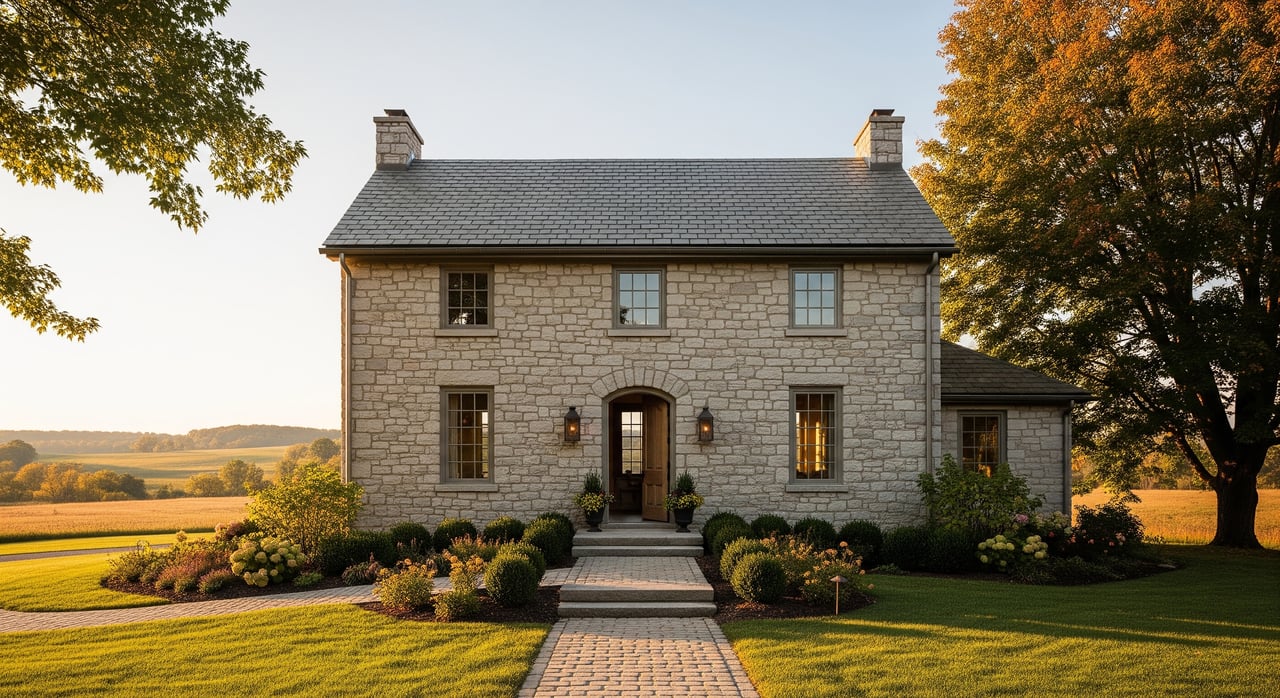
If you want walkability and character, the historic core offers stone or brick residences and mixed‑use conversions with original woodwork and distinctive details. Lots tend to be smaller and properties often require stewardship that respects age and design. Renovations may be shaped by historic district guidelines or preservation easements, so you plan improvements with care and appropriate materials.
Classic neighborhoods
Away from the core, you see modest single‑family homes dating from the late 19th through mid‑20th century, along with some newer infill or remodeled properties. These homes appeal to buyers who want a neighborhood feel, manageable yards, and the option to update over time. Many of these properties balance character with practical layouts and access to town amenities.
Rural and acreage properties
In the surrounding Driftless countryside, you find farms, hobby farms, and country homes. Privacy, views, outbuildings, and space for gardens or animals define these properties. Buyers who prioritize outdoor access and room to spread out often look here. Expect well and septic systems, a different maintenance plan than in-town homes, and a closer relationship with the land.
Second homes and creative retreats
Some buyers seek a smaller, renovated historic space or a quiet rural retreat for weekends and summers. Artists and remote workers value the peaceful setting and the arts community’s presence. If you are considering short‑term rental use, know that local regulations may limit where and how you can operate, so it is important to review municipal ordinances before you buy.
Market cues to watch
To make a confident offer, review recent trends such as median sale price, days on market, and inventory levels. Many buyers compare costs to larger regional markets, but you should base decisions on current local data. Your agent can provide recent MLS snapshots and property‑specific comps so you understand value and competition before you write.
Commute and connectivity
Mineral Point serves residents who work locally and those who drive to regional job centers. Depending on route and season, many commuters plan for about 30 to 60 minutes to larger hubs for work, shopping, or medical appointments. Public transportation is limited, so most people rely on personal vehicles.
Broadband access is strong in town and more variable in rural areas. If you work from home, confirm upload and download speeds at the specific address and check provider options. You can also review infrastructure using the FCC’s national resource on the FCC Broadband Map.
Daily essentials: schools, care, and services
Schools and education
Mineral Point Unified School District serves local students from elementary through high school. If schools are a priority, explore programs and extracurriculars directly through the district and the Wisconsin Department of Public Instruction. Look at offerings, transportation options, and calendars rather than relying on third‑party opinions.
Healthcare
Residents often use primary care in town or nearby and drive to regional hospitals for specialty services and procedures. As you plan your move, map preferred providers and typical drive times for routine and urgent needs, then build that into your daily and seasonal schedules.
Local services and safety
Expect coverage from municipal services and county partners, with police, volunteer fire, library resources, and city departments organized at a small‑town scale. Trash and recycling schedules, permits, and zoning guidance are available through city hall. If you are exploring a historic property or a mixed‑use space, consult planning staff early about overlays and allowed uses.
Taxes, utilities, and seasonal costs
Property taxes
Wisconsin property taxes vary by municipality and school district. Before you buy, review examples from the Iowa County assessor and the Wisconsin Department of Revenue so you understand annual costs and how assessments are calculated. It helps to compare recent tax bills for similar homes.
Utilities and services
In town, many properties connect to municipal water and sewer, electricity, and often natural gas. Rural homes commonly rely on private wells and septic systems. Ask for utility histories and maintenance records, especially for older or country properties. If you plan to add air conditioning, a workshop, or EV charging, verify electrical capacity and service type.
Insurance and environmental checks
Standard homeowners policies apply, but every property is unique. Review floodplain status through the FEMA Flood Map Service Center and consider a radon test as part of your inspection process. For rural homes, verify that private roads, shared driveways, and outbuildings are properly insured.
Climate and seasons
You experience four distinct seasons here, with cold, snowy winters and warm summers. Budget for snow removal, heating, and seasonal maintenance. Winter brings a quieter social calendar and cozy nights, while summer fills with festivals, outdoor dining, and road trips across the countryside.
What to check before you buy
Use this quick checklist to go from browsing to confident:
- Historic status and guidelines. Confirm if the property sits in a historic district or has a preservation easement, then review what that means for exterior changes.
- Systems and structure. For older homes, pay close attention to electrical, plumbing, insulation, roof age, and foundations during inspections.
- Water and sewer. Verify whether the home is on municipal services or a private well and septic. Request permits, pumping records, and recent tests.
- Broadband and cell. Test internet speeds at the address and confirm provider options. Remote work may require a minimum upload speed.
- Property taxes. Ask for recent tax bills for comparable homes and review trends with the assessor or the Wisconsin Department of Revenue.
- Outbuildings and land use. For acreage, confirm zoning, setbacks, and permitted uses for animals, short‑term rentals, or additional structures.
- Seasonal upkeep. Plan for snow removal, driveway maintenance, and HVAC servicing. For rural homes, include well and septic service in your annual budget.
Is Mineral Point a fit for you?
If you want a slower pace with a strong sense of history, easy connections to nature, and a community that gathers for arts and seasonal events, Mineral Point delivers. Your perfect spot might be a stone‑front home steps from galleries, a classic house on a quiet street, or a country property with room to breathe. The key is aligning your lifestyle with the property type, then verifying the details that matter to your day‑to‑day life.
When you are ready to tour neighborhoods and compare homes, connect with the team at Lovell & Co. for tailored guidance and trusted local insight.
FAQs
What is daily life like in Mineral Point for new residents?
- Expect a small‑town routine with walkable errands, an active arts calendar, and a quiet pace that picks up during festivals and warm months.
How does Mineral Point’s housing stock differ by area?
- Downtown offers historic stone and brick homes with smaller lots, neighborhoods provide classic single‑family homes, and the countryside features farms and acreage properties.
Is Mineral Point a good fit for remote work?
- Many remote workers live here, but broadband varies by address, so confirm provider options and test speeds at the property before making an offer.
What should I know about renovating a historic home in Mineral Point?
- Check whether the property sits in a historic district and review any municipal guidelines before planning exterior changes or major materials updates.
Are short‑term rentals allowed in Mineral Point?
- Local regulations may limit short‑term rentals by area and property type, so review current ordinances and permit requirements early in your search.